How Smart Landscaping Reduces Pest Pressure in Heber City
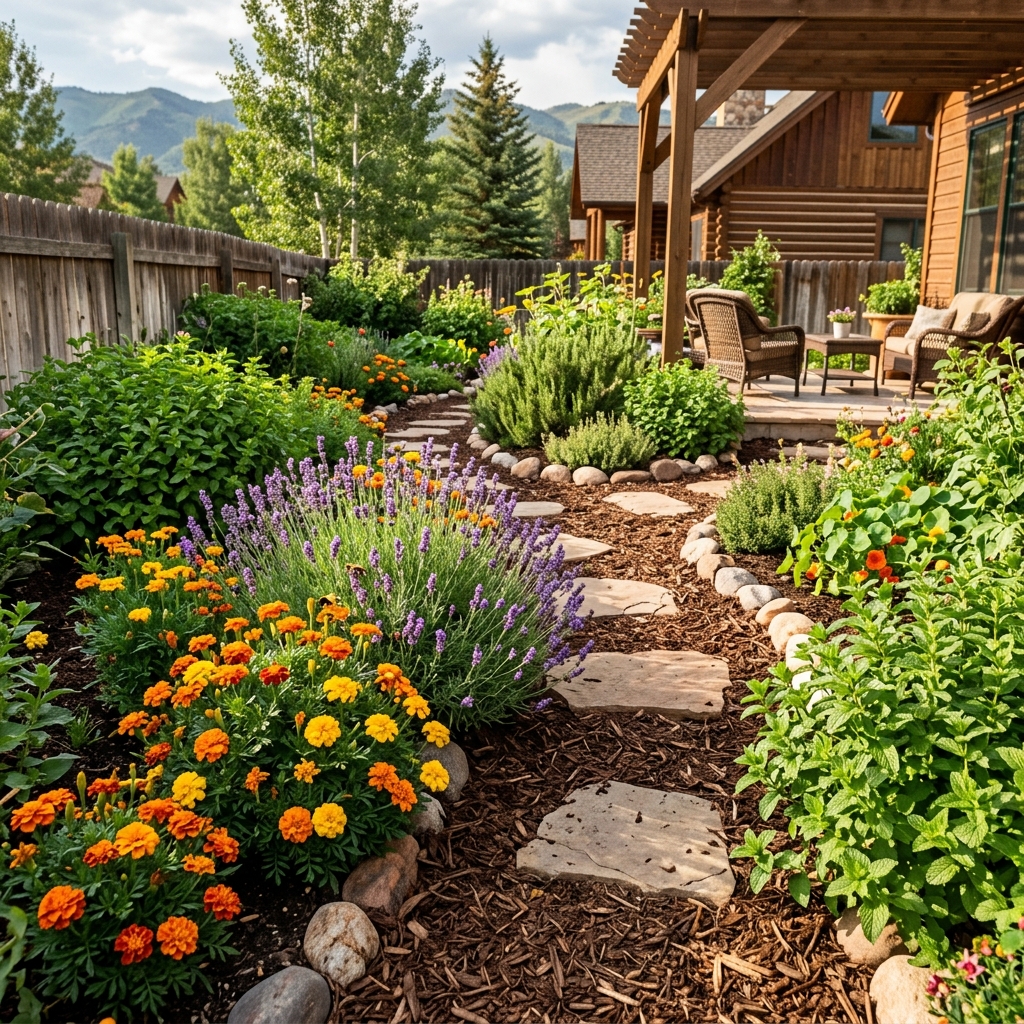
Smart landscaping can work wonders in helping shield your property from pest infestations. The key is to make careful choices regarding landscaping materials, pest-friendly designs, and routine maintenance. When it comes to pest control in Heber City, local landscaping choices affect the balance between pest control and pest invasions. Here are a few tips for using landscaping to manage pests in Heber City.
How To Get Started with Pest Control Through Landscaping
Plants can be useful allies in the fight against household pests. Various plants emit natural compounds that repel pests. Certain plants can even drive beneficial pollinators to your landscape.
Some of the most popular pest-repelling plants include:
- Lavender – Repels moths, fleas, and mosquitoes and draws in bees for pollination.
- Marigold – Keeps aphids, beetles, and nematodes away from vegetable crops.
- Basil – Keeps white flies and hornworms away from tomatoes and surrounding crops.
- Rosemary – Repels a host of bugs and thrives in Utah’s climate.
- Catnip and Peppermint – Strong natural repellents for both mosquitoes and ants.
Space these bug-repellent plants in your yard as a natural barrier near your patio and garden, where pest pressure is greatest. Growing them near vulnerable plants also helps keep the bugs away. You can use companion planting to help repel pests in your garden with little additional work.
Types of Mulch that Work Against Pests
When choosing mulch, you won’t regret picking the pest-repellant kinds over those that attract pests. Many people in Heber City don’t realize the importance of selecting mulch for pest control.
Cedar mulch attracts very few pests. In fact, certain insects are repelled when they come in contact with cedar mulch. Several compounds in cedar mulch, including thujone, make cedar an effective insect repellent. Cedar mulch has a slow decomposition rate and retains its odor and insect-repelling capabilities for several years.
Cypress mulch is another great choice. As with cedar, cypress resists decomposition faster than typical wood mulch, providing longer insect-repelling protection.
Considering the top three mulches, melaleuca, rounding out the list, is also a solid choice. This mulch is also an excellent insect and termite repellent. In addition, melaleuca mulch benefits the soil.
However, you should be careful with cocoa bean mulch. While it is an effective insect repellent, it is dangerous to dogs, and therefore should not be placed in areas where dogs can access it.
Also, keep in mind that mulch decomposes. However, mulch is beneficial to your yard, so don’t avoid it. Keep mulch away from your home’s foundation.
Maintenance for a Pest-Free Yard
While most people think keeping an attractive mulch-heavy flower bed will eliminate bug issues, it actually provides a safe place for bug populations to thrive. If you are serious about controlling bugs in your yard, you will need to commit to a level of yard maintenance.
With these habits, a large majority of pests will become a thing of the past:
- Mow lawns regularly – Infestations of ticks, ants, and rodents thrive in neglected lawns and vegetation.
- Clear debris – Dead leaves and plant material can provide a safe home for insects and their eggs; clear away all debris.
- Manage moisture – Mosquitoes love pooled water. Fix any leaky irrigation systems and avoid overwatering your lawn.
- Cover compost bins – Compost attracts unwanted pests like rodents and flies.
- Harvest ripe produce – Don’t let your produce rot! Infestations of Fruit and vegetable beetles are only a few days away.
To attract natural predators like birds to your yard, you can add bird feeders. Orioles and woodpeckers especially like eating grubs and caterpillars. Bats like eating mosquitoes, so they will find your yard desirable as well. They won’t look for food elsewhere on your property because they will find plenty of food here. It won’t cost you any effort or money.
A Yard That Fights Back
Pest control in Heber City doesn’t have to involve routine chemical use. Maintenance and yard habits, along with mulch and the right plant selection, will create a yard that pests will have a hard time settling in. You can start with one garden bed and see how you like the result before you decide to proceed with your whole yard. A little effort and sacrifice can make a big difference.